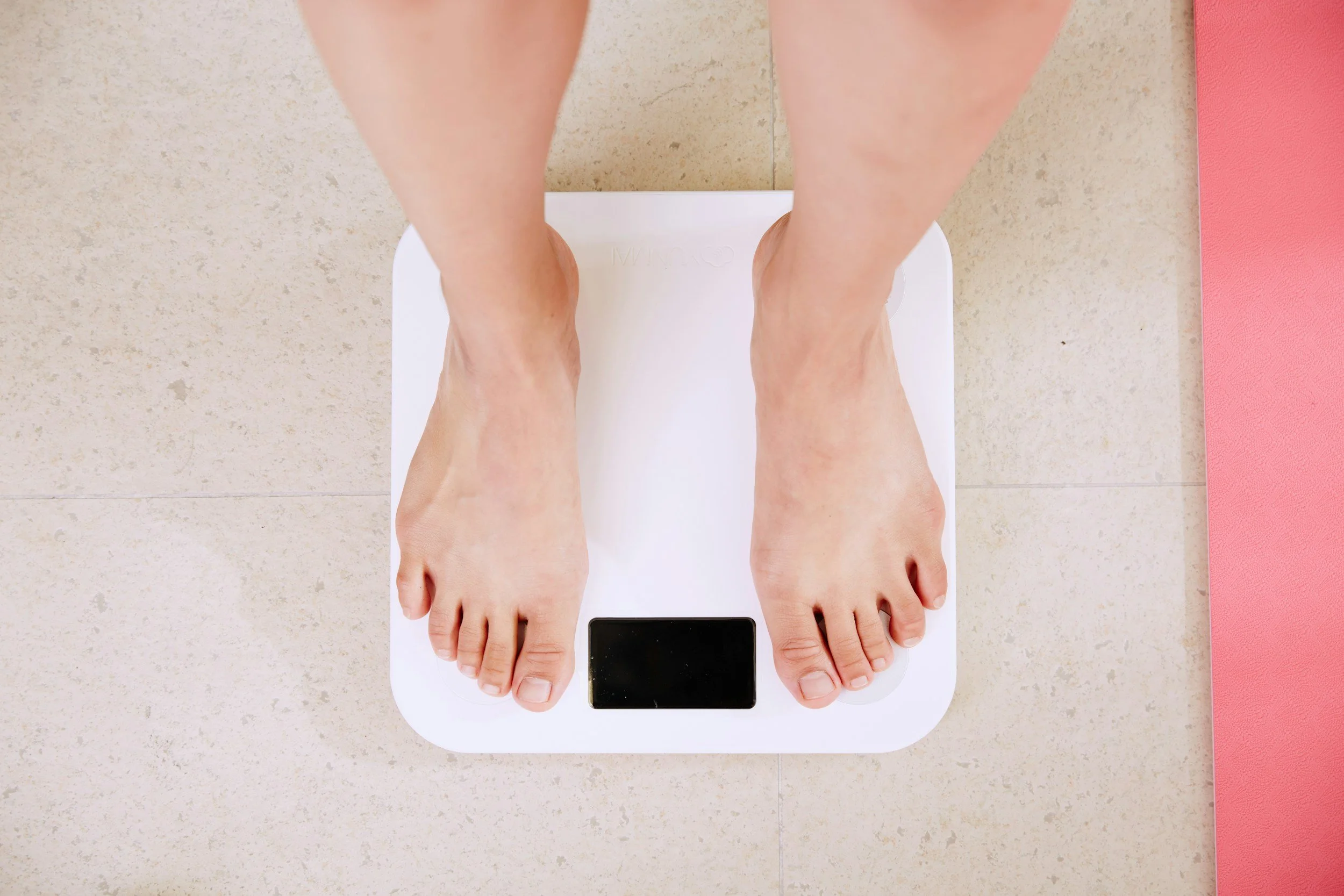
Why Does My Body Not Let Me Lose Weight?
If you’re reading this, chances are you’ve been trying everything—eating well, exercising, cutting out sugar—but the scale won’t budge. You wake up exhausted, reach for coffee to get through the morning, feel bloated after meals, and struggle to focus at work. You might snap at your kids or partner simply from sheer exhaustion. Sound familiar?
You’re not alone. Many women aged 35–55 experience this frustrating cycle, often feeling like their bodies are working against them. The truth is, weight gain or difficulty losing weight rarely comes down to willpower alone. Hormones, stress, digestion, thyroid health, and lifestyle all play a role.
Here’s why your body might be holding onto weight—and what you can do about it.
1. Hormonal Imbalances
Hormones are the body’s messengers, guiding everything from metabolism to appetite. When hormones are out of balance, it can feel impossible to lose weight. Common culprits include:
Thyroid hormones: If your thyroid is underactive (hypothyroidism), your metabolism slows, energy drops, and weight gain can occur even if you’re eating well.
Insulin: High insulin levels, often caused by blood sugar imbalances, can make your body store fat instead of burning it.
Cortisol: Chronic stress keeps cortisol elevated, which can lead to belly fat and sugar cravings.
Sex hormones (estrogen, progesterone, testosterone): Imbalances can affect appetite, fat distribution, and muscle mass.
Real-life impact: When your hormones are off, you may find yourself exhausted, experiencing brain fog, craving sugar, and gaining weight despite “doing everything right.”

2. Stress and Cortisol
High stress levels are one of the most overlooked factors in weight resistance. Cortisol, the stress hormone, not only triggers fat storage around the abdomen but also disrupts sleep and appetite regulation.
What this looks like in your day-to-day:
Waking up tired, even after a full night’s sleep
Relying on coffee to get through the morning
Snapping at your kids or partner
Reaching for sugary snacks for a quick energy boost
Chronic stress keeps your body in “survival mode,” making it harder to lose weight even when you eat well and exercise.
3. Gut and Digestive Health
Your gut is central to metabolism and weight regulation. Poor digestion, food intolerances, or imbalances in gut bacteria can affect nutrient absorption and fat storage.
Signs your gut might be affecting your weight:
Bloating or discomfort after meals
Irregular bowel movements
Cravings for processed foods
Fatigue after eating
Supporting your gut with fiber-rich foods, fermented foods, and a balanced diet can improve digestion, nutrient absorption, and metabolic efficiency.
4. Poor Sleep
Sleep is not just rest—it’s when your body balances hormones, repairs tissues, and regulates appetite. Lack of sleep can increase ghrelin (hunger hormone) and decrease leptin (satiety hormone), making you hungrier and more likely to overeat.
Daily struggles from poor sleep:
Afternoon crashes and cravings
Difficulty focusing at work
Low motivation for exercise or meal prep
Snapping at family members
Improving sleep quality is essential for sustainable weight loss and overall energy.
5. Inconsistent or Restrictive Eating Patterns
Skipping meals, extreme dieting, or erratic eating can backfire. Your body interprets under-eating as a signal to conserve energy, slowing metabolism and storing fat.
What this looks like:
Feeling bloated or overly hungry
Cravings for sugar or carbs
Difficulty maintaining energy levels throughout the day
A balanced approach to nutrition—without strict deprivation—supports metabolism, hormones, and energy levels.
6. Inactivity or Inefficient Movement
Exercise is important, but it’s not just about burning calories. Strength training preserves muscle mass, which supports metabolism, while gentle movement like walking, stretching, or yoga can improve circulation, digestion, and stress management.
Practical daily steps:
Short walks after meals to aid digestion
Strength exercises 2–3 times per week
Gentle stretching or mobility exercises in the morning or evening
How I Help Women Reclaim Their Energy, Hormones, and Weight
At Kat’s Natural Solutions, I help women like you break free from the frustrating cycle of fatigue, brain fog, hormonal chaos, and weight struggles. Together, we focus on:
Balancing hormones: Supporting thyroid, adrenal, and sex hormones to regulate metabolism and appetite
Optimising digestion: Encouraging gut health for better nutrient absorption and reduced bloating
Reducing stress and improving sleep: Implementing lifestyle strategies to regulate cortisol and promote restorative rest
Sustainable nutrition and movement: Creating plans that fit your lifestyle and support energy, weight, and confidence
The outcome isn’t just a number on the scale. It’s waking up refreshed, moving through your day with energy, enjoying meals without discomfort, feeling confident in your clothes, and thriving at work and home.
Taking the First Step
Weight resistance isn’t about failing your body—it’s a signal that something deeper needs support. With the right approach, you can regain energy, balance hormones, improve digestion, and finally achieve sustainable weight loss.
If you’re ready to stop struggling and start thriving, book a consultation today and take the first step toward feeling like yourself again.