
Herbs That Support Hormonal Balance & Why They Work
If you’re a woman between 35 and 55, chances are you’ve been told at some point that your symptoms are “just hormones”, “just stress”, or “part of getting older.” Yet that answer doesn’t help when you’re dragging yourself out of bed already exhausted, forgetting simple words in meetings, snapping at the kids by 4 pm, or feeling uncomfortable in your jeans before the day is even over.
You may be doing “all the right things” — eating well, trying to exercise, cutting back on sugar — yet your energy is flat, your weight won’t budge, your digestion feels off, and your moods feel unpredictable. This is often where women feel frustrated and unheard.
The good news? Your body isn’t broken. It’s communicating.
Hormonal imbalance is rarely about one single hormone. It’s usually a ripple effect involving stress, thyroid function, liver detoxification, gut health, and blood sugar balance. Herbs can be incredibly powerful tools here — not as quick fixes, but as supportive allies that help your body regulate itself again.
Let’s explore what hormonal imbalance really means, how herbs work behind the scenes, and how they can fit into real life — even when you’re busy, tired, and juggling everything.
What Hormonal Imbalance Really Means (Beyond PMS or Menopause)
Hormonal imbalance doesn’t just show up as PMS or hot flushes. For many women, it looks like:
Needing naps just to get through the day
Brain fog, forgetfulness, and poor concentration at work
Feeling emotionally reactive or impatient with loved ones
Bloating or digestive discomfort after meals
Weight gain (especially around the middle) despite eating “healthy”
Irregular cycles, PMS, mood swings, or low libido
Feeling wired but tired — exhausted yet unable to fully relax
Hormones don’t work in isolation. Your thyroid hormones affect metabolism and energy. Stress hormones like cortisol influence blood sugar, weight, sleep, and mood. Oestrogen and progesterone depend heavily on liver and gut function to stay balanced.
When stress is high, digestion is sluggish, or the liver is overloaded, hormones struggle to stay in harmony. This is why addressing hormones properly requires a whole-body approach — and why herbs can be so effective.
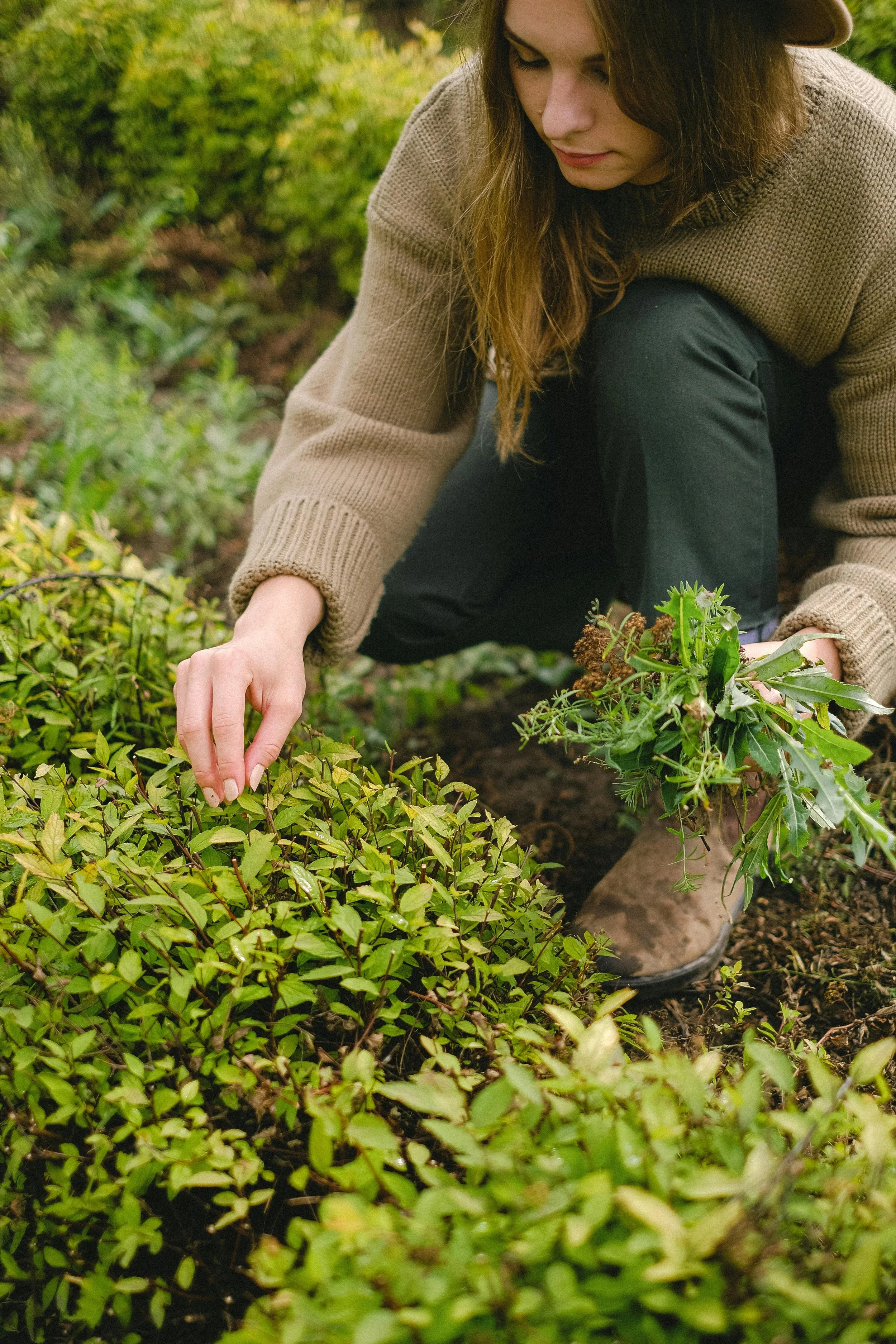
How Herbs Support Hormonal Balance (And Why They’re Different)
Herbs don’t force your body to do something. Instead, they gently support your body’s natural regulatory systems.
Rather than masking symptoms, herbs work by:
Supporting stress resilience and cortisol balance
Improving communication between the brain, thyroid, and adrenal glands
Supporting liver detoxification of excess hormones
Calming inflammation that disrupts hormone signalling
Supporting digestion and nutrient absorption
This makes them especially helpful for women who want sustainable change, not another short-term solution.
Let’s look at some of the most commonly used herbs for hormonal balance and why they work.
Ashwagandha: Calming Stress to Balance Everything Else
Ashwagandha is best known as an adaptogen — a herb that helps the body adapt to stress.
When stress is constant, cortisol stays elevated. Over time, this can:
Disrupt thyroid hormone conversion
Drive weight gain around the middle
Worsen PMS and mood swings
Contribute to fatigue and burnout
Ashwagandha helps calm the stress response, which in turn allows other hormones to rebalance.
What this means for you: I help you calm the stress response so you can wake up with steadier energy, feel less reactive with your family, and stop feeling like you’re running on empty by mid-afternoon.
Ashwagandha is often helpful for women experiencing fatigue, anxiety, poor sleep, and thyroid-related symptoms — when used appropriately and personalised.
Vitex (Chaste Tree): Supporting Cycle and Mood Balance
Vitex works through the brain (the pituitary gland), helping regulate signals that influence progesterone and oestrogen balance.
It’s commonly used for:
PMS and breast tenderness
Irregular cycles
Mood swings before periods
Perimenopausal hormone fluctuations
Rather than adding hormones, vitex supports your body’s own hormonal rhythm.
What this means for you: I help you balance your hormones so you feel calmer, more emotionally stable, and more patient at home — without feeling hijacked by your cycle.
Vitex isn’t for everyone, which is why personalised guidance matters.
Maca: Energy, Mood, and Libido Support
Maca is a nourishing root that supports the endocrine system as a whole. It doesn’t act like a hormone but helps improve communication between hormone-producing glands.
Women often notice improvements in:
Energy and stamina
Mood and motivation
Libido
Perimenopausal symptoms
What this means for you: I help you rebuild energy so you can get through the workday and still have energy left for yourself and your family in the evening.
Maca is especially helpful when fatigue and low motivation are part of the picture.
Rhodiola: Clearing Brain Fog and Improving Focus
Rhodiola is another adaptogen, but it’s particularly supportive for mental fatigue and cognitive function.
It may help with:
Brain fog
Poor concentration
Mental overwhelm
Stress-related burnout
What this means for you: I help you clear the brain fog so you can focus at work, feel confident in meetings, and think clearly again — instead of second-guessing yourself.
Herbs Are Only One Piece of the Puzzle
While herbs are powerful, they work best when layered into a broader strategy that supports your whole body.
This often includes:
Supporting digestion so nutrients are absorbed properly
Supporting liver pathways so excess hormones are cleared effectively
Balancing blood sugar to reduce energy crashes and cravings
Addressing thyroid function and nutrient deficiencies
Adjusting lifestyle habits that keep stress hormones elevated
This is where functional testing and tailored strategies come in — not to overwhelm you with data, but to understand why your body is struggling and what it needs to thrive.

From Symptoms to Real-Life Wins
Rather than focusing on labels or diagnoses, I focus on outcomes that actually matter in your day-to-day life.
I help you beat fatigue so you can enjoy your evenings instead of collapsing on the couch.
I help you clear brain fog so you can focus, perform well at work, and feel confident again.
I help you enjoy meals without bloating or discomfort, so social events feel easy again.
I help you feel comfortable and confident in your clothes — no more dreading how your body feels by the end of the day.
I help you balance hormones so your moods feel steadier and home life feels calmer and more joyful.
This isn’t about perfection. It’s about helping your body feel safe, supported, and regulated again.
What Life Can Feel Like When Hormones Are Supported
Imagine waking up refreshed, with steady energy that lasts through the day.
Your mind feels clear at work. You’re present with your kids and partner. You enjoy meals without worrying about bloating. Your clothes feel comfortable again. Weight begins to shift naturally — without dieting or restriction.
Your moods feel more balanced. Your body feels predictable again. And instead of feeling frustrated and stuck, you feel hopeful and supported.
That’s what hormonal balance is really about.
A Kind Reminder
If you’re dealing with hormonal, thyroid, or weight struggles, please know this: you’re not failing. Your body is responding to stress, load, and imbalance — and it can be supported back into balance.
I help women regain energy, focus, and hormonal balance so they can feel like themselves again. Through personalised care, functional testing when needed, and gentle, evidence-informed strategies — including herbs — we work with your body, not against it.
You deserve to feel well, vibrant, and confident in your own body again.
And that journey can start gently, one supportive step at a time.